


1. Introduction
2. Experimental Procedure
2.1. Granulation of Starting Powders and Post-Sintering Characterization
2.2. Preparation of Raw Zirconia Blends for Graded Shades and Evaluation of Post-Sintering Properties
3. Results and Discussion
3.1. Characterization and Investigation of Starting Zirconia Powders
3.2. Processing and Characterization of Multi-Layered Zirconia with Gradient Shades
4. Conclusion
1. Introduction
Titanium or titanium alloys have traditionally been the representative materials used for dental implants. However, in response to the growing demand for aesthetic restorative treatments, ceramic materials have recently gained considerable attention.1) In particular, zirconia (ZrO2) stabilized with yttria (Y2O3) has been widely adopted in recent years, as it undergoes uniform shrinkage during final sintering and exhibits thermal and chemical stability within the oral environment. Furthermore, owing to its excellent mechanical properties—including a low coefficient of thermal expansion (CTE), high strength, high hardness, and superior wear resistance—zirconia has emerged as a promising next-generation material for dental prosthetics.2) Notably, its enhanced toughness renders it highly resistant to fracture. By incorporating yttria as a stabilizer in amounts of 2 to 5 mol% into pure zirconia and subsequently sintering, a phase transformation is induced, yielding zirconia with a tetragonal or cubic crystal structure and improved fracture toughness.1,3) In the fabrication of zirconia-based artificial teeth, a so-called dental block is first produced through forming and pre-sintering processes. This block is then machined via computer-aided design (CAD)/computer-aided manufacturing (CAM) technology and finally sintered to obtain the finished dental product.4)
With the advent of the wellness era, the paradigm of dental treatment has shifted toward an emphasis on aesthetics, and there is a growing interest in ceramic artificial teeth that exhibit color and translucency closely resembling the color and translucency of natural teeth. Attempts have been made to improve the aesthetic appearance of zirconia as a dental material by coating various colorants onto its surface.5,6) However, it is not easy to reproduce a natural tooth-like shade using zirconia alone. To fabricate zirconia artificial teeth that require no additional coloring procedures, offer ease of use, and maximize aesthetic outcomes, dental blocks with enhanced aesthetics have been produced overseas using a gradation technique.7,8) The color of zirconia powder varies depending on the trace impurities present and the amount of yttria stabilizer added, and this color is retained even after sintering. By exploiting this phenomenon, a gradient effect can be realized through multi-layer forming and co-sintering of the material.9) For example, white zirconia with 5 mol% yttria, dark yellow zirconia with 4 mol% yttria, and light pink zirconia with 3 mol% yttria can be appropriately blended to produce powders with the desired color, which are then sequentially layered and co-sintered to achieve a gradation effect. However, besides difficulty of reproducing a shade closely matching that of natural teeth, co-sintering of layers with different compositions can cause issues such as differences in translucency between layers, cracking or warping, and reduced mechanical strength.10,11)
In this study, in order to overcome the aforementioned challenges, each powder was granulated, and the pre-sintering physical properties of each zirconia powder were systematically investigated to minimize the potential issues that may arise during multi-layer sintering. Zirconia powders containing 5, 4 and 3 mol% yttria were blended to induce their inherent color development, and a gradient effect was achieved through sequential layer-by-layer forming followed by sintering. Finally, the optimal process conditions for realizing the gradation effect were identified, and the physical properties of the fabricated samples were measured to evaluate their feasibility as an aesthetically enhanced domestic dental material.
2. Experimental Procedure
2.1. Granulation of Starting Powders and Post-Sintering Characterization
The starting powders used in this study were zirconia stabilized with 5 mol% yttria (5YSZ, ZPEX Smile, actual particle size ≈ 40 nm, Tosoh, Japan), 4 mol% yttria (4YSZ, ZPEX4-Yellow, actual particle size ≈ 40 nm, Tosoh, Japan), and 3 mol% yttria (3YSZ, ZPEX-Pink, actual particle size ≈ 40 nm, Tosoh, Japan). Each powder exhibited a distinct color: white (5YSZ), dark yellow (4YSZ), and light pink (3YSZ). The chemical composition of each powder is presented in Table 1.
Table 1.
Composition of each zirconia powder.
Each powder was compacted via uniaxial pressing followed by cold isostatic pressing (CIP), and subsequently sintered at 1,400 °C for 2 h to achieve densification.12,13,14) To enhance the translucency of the sintered bodies, high green density and sintered density were required. To this end, each powder was granulated via spray drying after slurry preparation. The zirconia slurry for spray drying was prepared by mixing 0.5 wt% polyvinyl alcohol (PVA) binder in distilled water as the solvent, followed by ball milling.15) Spray granulation was carried out using a disk-type spray dryer at a disk speed of 5,000 rpm and a vacuum pump speed of 50 rpm to produce zirconia granules. The microstructures of the starting zirconia powders and the granulated powders and the polished sintered zirconia samples were observed using field emission scanning electron microscopy (JSM-7100F, JEOL, Japan). To compare the grain size according to the sintering temperature, the microstructure images were analyzed using the linear intercept method.
The transmittance of the sintered specimens obtained from each spray-dried powder was measured using a high-resolution UV-Vis-NIR spectrophotometer (V-770, JASCO, Japan). The specimens were machined to a thickness of 1.0 mm, and their surfaces were finely polished prior to measurement.
Phase analysis of the zirconia powders and sintered bodies was conducted using an X-ray diffractometer (Smartlab, RIGAKU, Japan). The phase fractions were calculated from the diffraction peaks obtained, specifically the monoclinic (11-1) peak, the monoclinic (111) peak, and the tetragonal (111) peak, using the equation in the reference.16)
The bulk density of the specimens sintered at each temperature was determined by the Archimedes method. The CTE of the sintered specimens was measured using a dilatometer (DIL-402C, NETZSCH, Germany) in an air atmosphere at a heating rate of 10 °C/min, with specimens machined to dimensions of Ø4 mm × 25 mm. The flexural strength was measured via the three-point bending method using a universal testing machine (6800 series, INSTRON, USA) on bend bar specimens whose surfaces were mirror-polished prior to testing. The results of each property evaluation are presented in Table 2.
Table 2.
Flexural strength, thermal expansion coefficient and bulk density of each sintered zirconia.
| Sample |
Flexural strength (MPa) |
Thermal expansion coefficient (・10-6 /°C) |
Bulk density (g/cm3) | Relative density* (Ref. 16) (%) |
| 5YSZ | ≈610 | 9.6 | ≈5.98 | ≈99.2 |
| 4YSZ | ≈830 | 9.2 | ≈6.01 | ≈99.4 |
| 3YSZ | ≈1047 | 8.9 | ≈6.03 | ≈99.5 |
2.2. Preparation of Raw Zirconia Blends for Graded Shades and Evaluation of Post-Sintering Properties
To investigate the color development resulting from blending three differently colored zirconia granulated powders, ten powder samples were prepared. Each sample was formulated with a distinct mixing ratio of the granulated powders, and the specific ratios are summarized in Table 3. Blending was carried out by placing the powders in a cylindrical container without ceramic ball media and rotating them dry for 24 h. The multi-layered dental block was designed to achieve a gradient effect through a five-layer laminated structure. During the multi-layer forming of dissimilar powders, each layer was leveled to ensure horizontal alignment, and the five layers were then stacked, uniaxially pressed, and consolidated via CIP. Finally, the multi-layered gradient zirconia block was fabricated through sintering.
Table 3.
Mixing ratios of zirconia powder samples for evaluating gradation shades.
|
Sample No. | Mixing Ratio (wt%) | ||
| 5YSZ (White) | 4YSZ (Yellow) | 3YSZ (Pink) | |
| 1 | 82 | 17 | 1 |
| 2 | 82 | 10 | 8 |
| 3 | 70 | 27 | 3 |
| 4 | 70 | 20 | 10 |
| 5 | 64 | 32 | 4 |
| 6 | 62 | 34 | 4 |
| 7 | 60 | 36 | 4 |
| 8 | 55 | 40 | 5 |
| 9 | 33 | 34 | 33 |
| 10 | 27 | 40 | 33 |
The color of the mixed powders was analyzed using a colorimeter (CR series, Konica Minolta, Japan). After quantifying the color with the CIE Lab. model, it was converted into RGB values using dedicated software.
Using a UV-Vis-NIR spectrophotometer, blocks corresponding to the composition of the uppermost layer (5th layer) of the multi-layer structure were sintered at different temperatures, and the translucency of each specimen was examined. Through this approach, the sintering temperature condition yielding the highest transmittance was identified.
The microstructure of the sintered bodies was observed after mirror polishing the specimen surfaces, followed by thermal etching at 1,000 °C for 2 h in an air atmosphere to clearly delineate the grain boundaries. Finally, the flexural strength and CTE of the fabricated multi-layered zirconia dental block were measured. The flexural strength was measured by applying a load perpendicular to the multi-layered surface, and the specimen surfaces were mirror-polished. The average of five measurements was utilized as the final data.
3. Results and Discussion
3.1. Characterization and Investigation of Starting Zirconia Powders
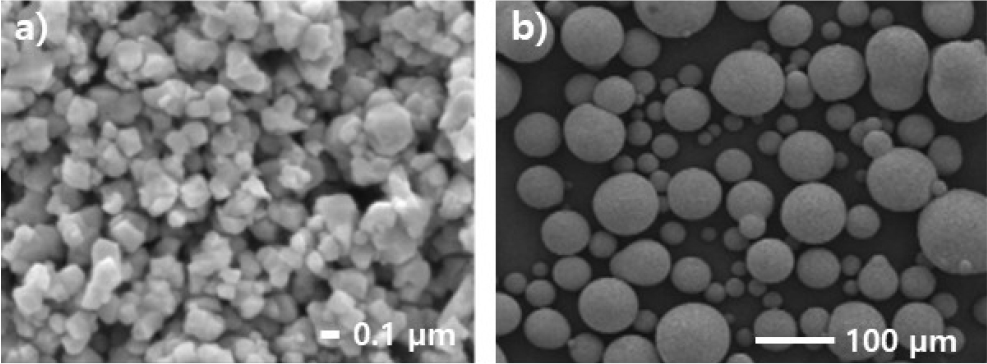
Each zirconia powder used as a starting material contained 0.2 wt% or less of impurities, which, together with the added yttria stabilizer, imparted a distinct intrinsic color to each powder. Specifically, the 4YSZ powder exhibited a dark yellow hue due to Fe2O3 and other constituents, while the 3YSZ powder displayed a light pink coloration owing to the presence of Er2O3 and other components. These characteristic colors were largely retained after sintering. All three zirconia powders exhibited secondary particle sizes of approximately 0.1-0.3 µm. The granules fabricated via spray drying exhibited sizes ranging from approximately 20 to 80 µm. The microstructures of the starting powders and granules are presented in Fig. 1. The granulation process was intended to enhance the green density, thereby maximizing densification during sintering and consequently improving the translucency of the final product.
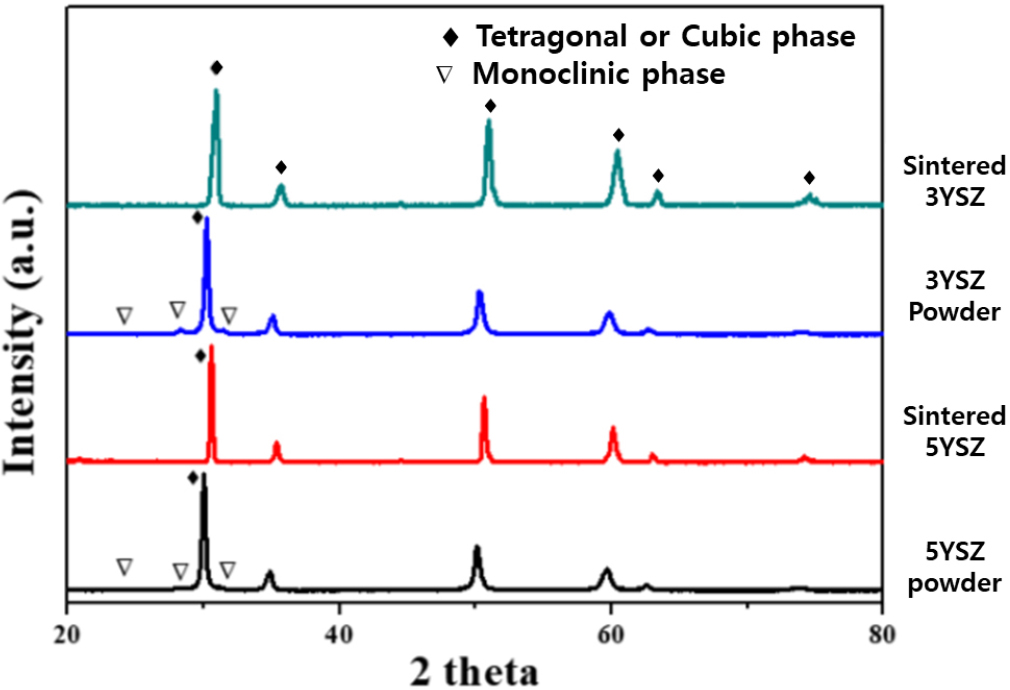
The X-ray diffraction (XRD) results for the crystalline phase analysis of the yttria-stabilized sintered bodies are presented in Fig. 2. Approximately 4-30 vol% of the monoclinic phase was observed in each of the starting powders; however, no monoclinic phase was detected in any of the specimens after sintering. In the case of pure zirconia, phase transformations occur with temperature variations, particularly involving the tetragonal-to-monoclinic phase transition upon cooling, which is accompanied by a volume expansion. The addition of the yttria stabilizer suppresses this transformation to the monoclinic phase during cooling after sintering.17) Upon sintering the yttria-stabilized zirconia, the 3YSZ sintered body exhibited only the tetragonal phase, whereas the 4YSZ and 5YSZ specimens were predominantly composed of the tetragonal phase with the cubic phase also being observed; notably, the monoclinic phase was absent in all cases.7,10) The tetragonal and cubic phases of zirconia exhibit nearly overlapping peak positions.16) Therefore, this paper does not discuss their phase fractions in detail, but instead cites results from well-known phase diagrams.17)
The measured flexural strength, CTE, and bulk density of each sintered zirconia specimen are presented in Table 2. Regarding the flexural strength, the toughening phenomenon associated with the tetragonal-to-monoclinic phase transformation was most pronounced in the 3YSZ composition, which consequently exhibited the highest strength. In contrast, as the yttria content increased toward 5YSZ, the proportion of the cubic phase increased, and the corresponding reduction in the transformation toughening effect consequently led to a progressive reduction in strength.18) In the case of the CTE, the open crystal structure of the cubic phase results in relatively weaker interatomic bonding within the lattice, which can enhance thermal expansion; however, no significant differences were observed among the specimens. Regarding bulk density, since yttria has a lower density than zirconia and the cubic phase possesses an open structure, the density tended to decrease with increasing yttria content.19) Considering the theoretical densities of the respective compositions, all specimens were confirmed to be densified to a relative density of over 99 % through sintering.
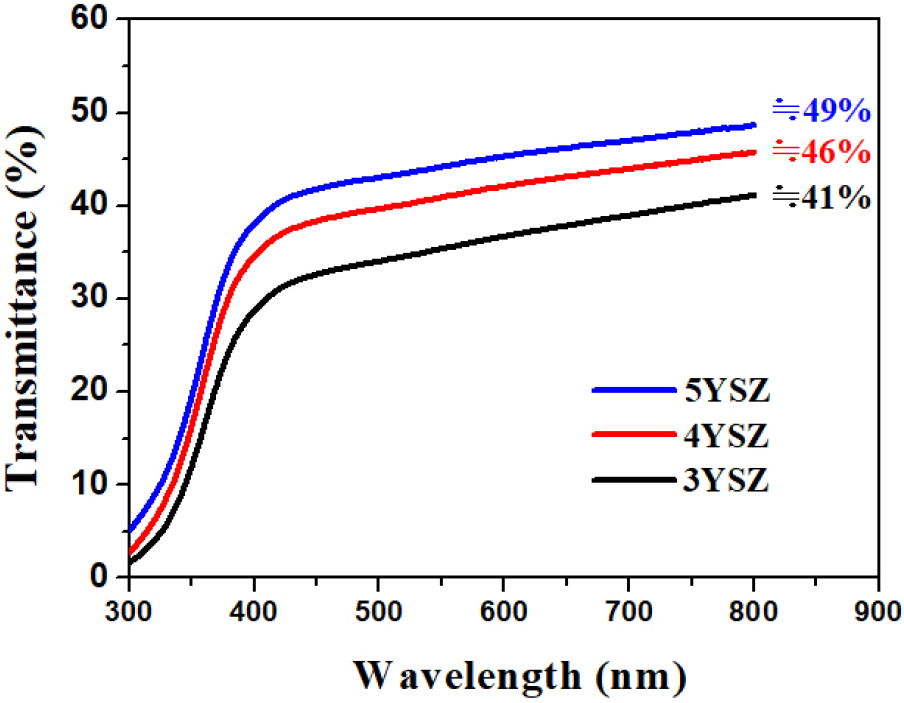
The transmittance of each sintered specimen was measured, and the results are presented in Fig. 3. The 5YSZ composition, with its higher yttria content, exhibited the relatively highest transmittance value of 49 %. In the case of 4YSZ and 3YSZ, slightly lower transmittance values were observed compared to 5YSZ. This phenomenon is attributed to the fact that 5YSZ possesses a greater proportion of the isotropic cubic crystal phase relative to 4YSZ and 3YSZ, which correspondingly reduces the anisotropy of light transmission.20,21) Additionally, the intrinsic coloration of each sample is considered to influence the differences in transmittance.2) The 3YSZ specimen, which exhibits a light pink hue, demonstrated the lowest transmittance of 41 %, attributable to the absence of the cubic phase and its higher degree of light absorption. Considering these transmittance values, it is evident that sintering was successfully conducted for all specimens, with virtually no residual porosity present within the sintered bodies that could induce light scattering.
3.2. Processing and Characterization of Multi-Layered Zirconia with Gradient Shades
To realize the desired shade, the 5YSZ, 4YSZ, and 3YSZ powders were blended in various proportions, and the resulting colors were evaluated. A total of ten different compositions were prepared for mixing (Table 3), and the colors of each blended powder sample are presented in Fig. 4 for comparative purposes. Distinct color variations were observed depending on the mixing ratios. Based on these color differences, five samples were selected to achieve a shade closely resembling that of natural teeth. For the relatively bright, high-transmittance region corresponding to the incisal edge of a natural tooth, samples 1 and 3, which contained a relatively higher fraction of the white-colored 5YSZ powder, were chosen. Meanwhile, for the region where the enamel and dentin layers overlap, samples 5, 6, and 7, which exhibited comparatively darker shades, were selected to design the gradient structure. Table 4 presents the color of the five mixed powders using the CIE L*a*b* Model and RGB values. Although it is difficult to represent the shade of natural teeth using such numerical data, this study found value in quantifying the colors of the gradation powders prepared in this experiment.
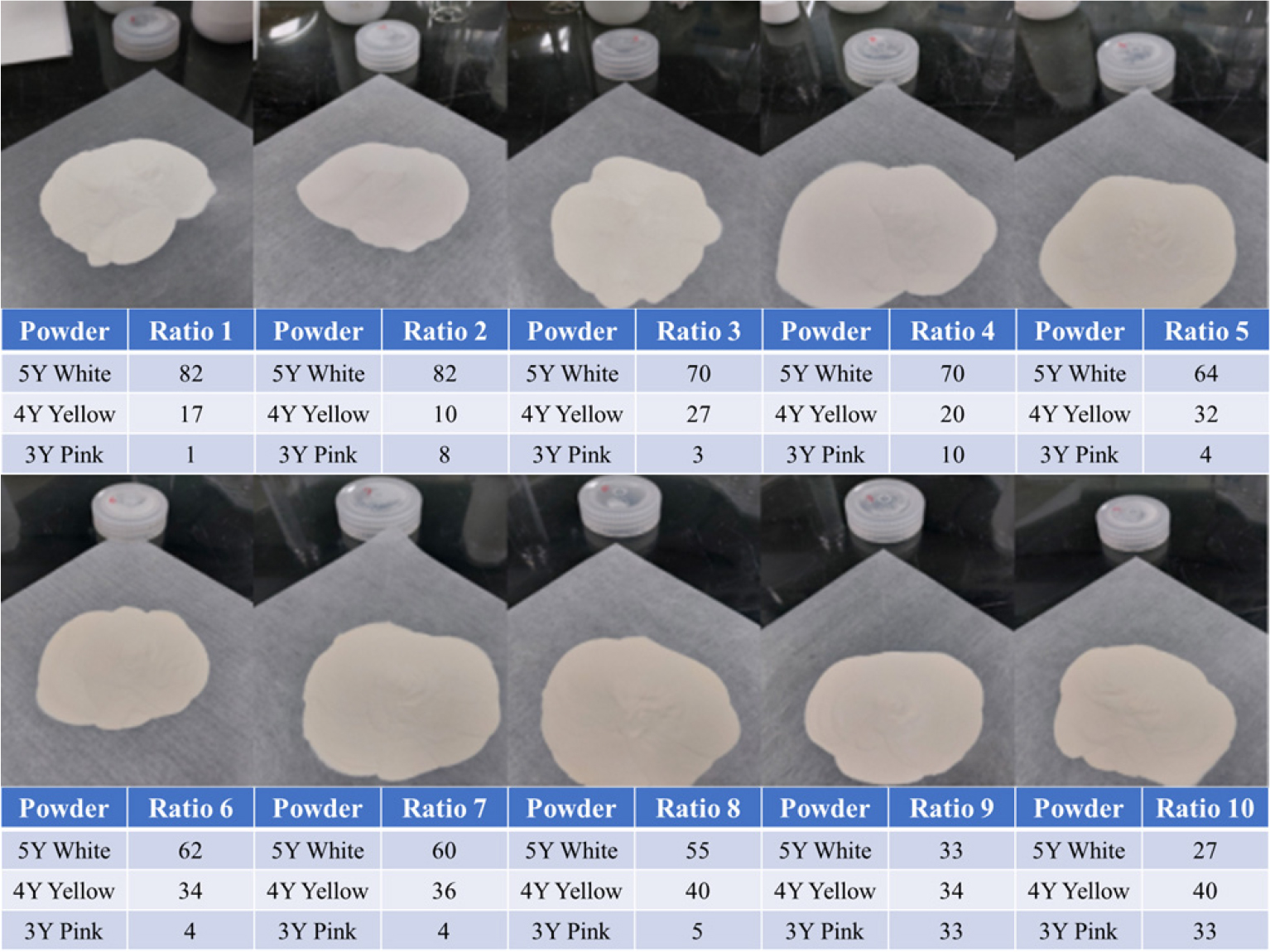
Table 4.
CIE Lab color space and RGB values of the five selected mixed powders.
Fig. 5 illustrates the configuration of the multi-layered dental block fabricated by replicating the colors of five samples, which were selected based on the shades of natural teeth. The dental block model, which exhibits a gradient pattern with shades applied from the 1st layer, corresponding to the lowermost portion of the tooth, through to the 5th layer at the uppermost region, was realized based on the coating agent colors provided by the dental laboratory for color reproduction. Notably, the aesthetic quality of the tooth is significantly influenced by the 4th and 5th layers, where bright coloration and translucency are of critical importance. In the case of multi-layered sintered bodies, if the coefficients of thermal expansion differ between adjacent layers, thermal stresses can arise at the interfaces, potentially leading to a reduction in strength or, in severe cases, the formation of cracks.10,22) As shown in Table 2, the differences in the coefficients of thermal expansion among the three starting zirconia powders are not substantial. Furthermore, since the blended powders constituting the selected five layers are expected to exhibit minimal interlayer differences in thermal expansion due to the effects of mixing, the thermal expansion mismatch between layers was deemed to be negligible.
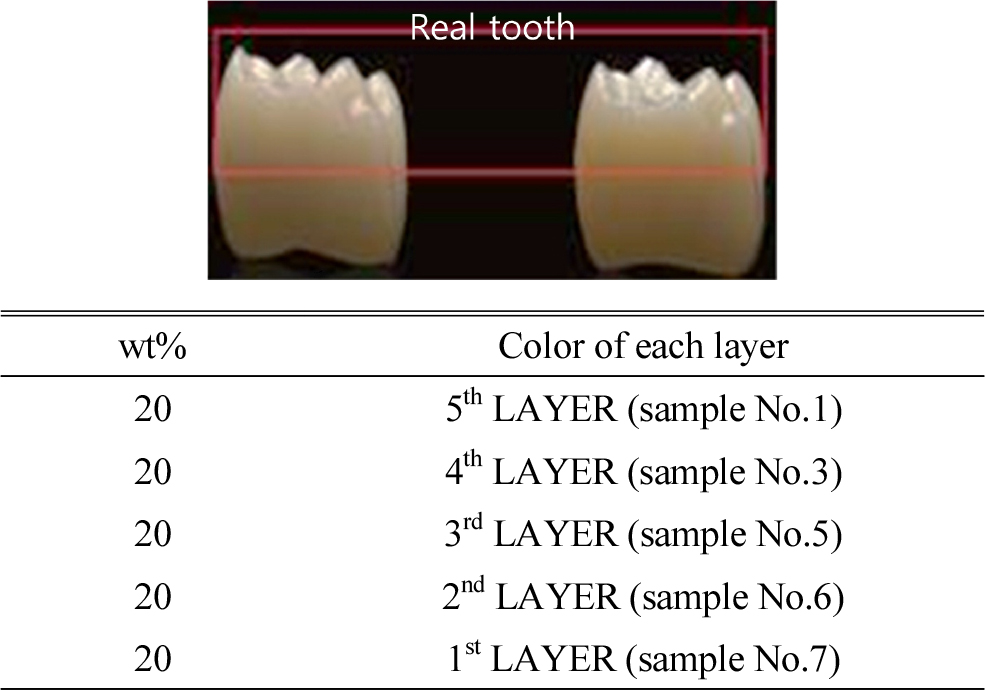
The primary factor governing the gradient effect that closely mimics the appearance of natural teeth is considered to be translucency. Accordingly, the correlation between grain size and translucency was investigated for the 5th layer, where translucency is of utmost importance, using the blended powder sample No. 1 from Table 3, which was sintered at various temperatures. Fig. 6 presents the surface microstructures of sample No. 1 sintered at 1,300 °C, 1,400 °C, and 1,500 °C for 2 h each. Since translucency is significantly influenced by the presence of porosity and grain size, it is essential to examine the interrelationship among these factors. As the sintering temperature increased, pronounced grain growth was observed. Notably, at higher temperatures, bimodal grain growth became increasingly prominent, which is attributed to the more active grain growth of the cubic phase compared to the tetragonal phase.4,5) As grains grow, the grain boundary area—which serves as a source of light scattering—diminishes, thereby enabling an improvement in translucency.3,21) The variations in grain size and translucency as a function of sintering temperature are summarized in Fig. 7. At 1,500 °C, an average grain size of 0.57 µm and an enhanced transmittance of 55 % were achieved.
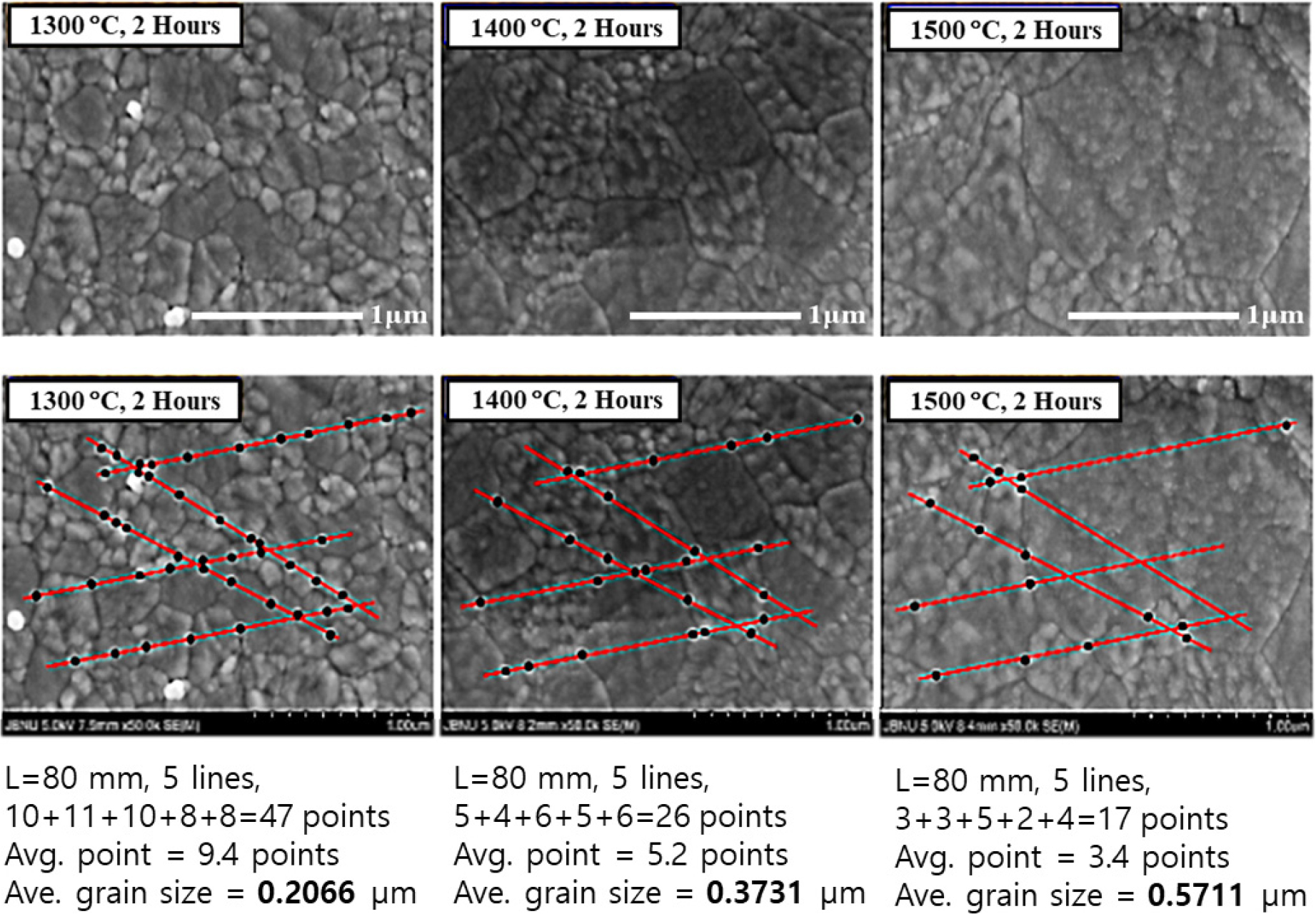
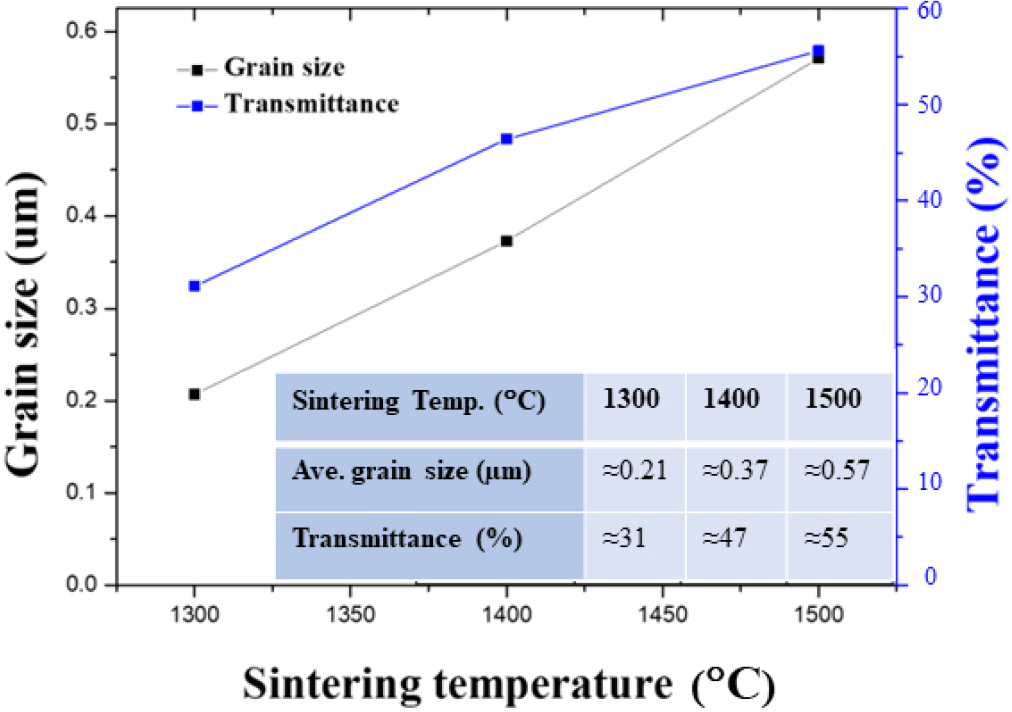
Fig. 8 presents a photograph of the multi-layered gradient dental block fabricated by sequentially laminating each powder into five layers, followed by sintering. The resulting shade closely matched the designed color, and the upper portion of the block, where translucency is of critical importance, exhibited a gradient effect nearly identical to that of natural teeth. Ultimately, by sintering the laminated green body at 1,500 °C for 2 h, it was possible to fabricate a dental block with excellent translucency and aesthetics, exhibiting a flexural strength of 635 MPa and a CTE of approximately 9.3 × 10⁻⁶ /°C. Since the strength values exist within the strength range of 5YSZ and 4YSZ, the multi-layered block appears to have avoided interlayer sintering mismatches, such as variations in sintering shrinkage or critical differences in thermal expansion.
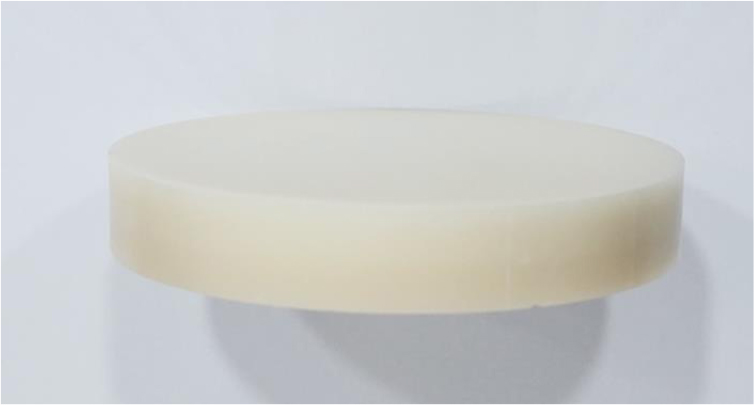
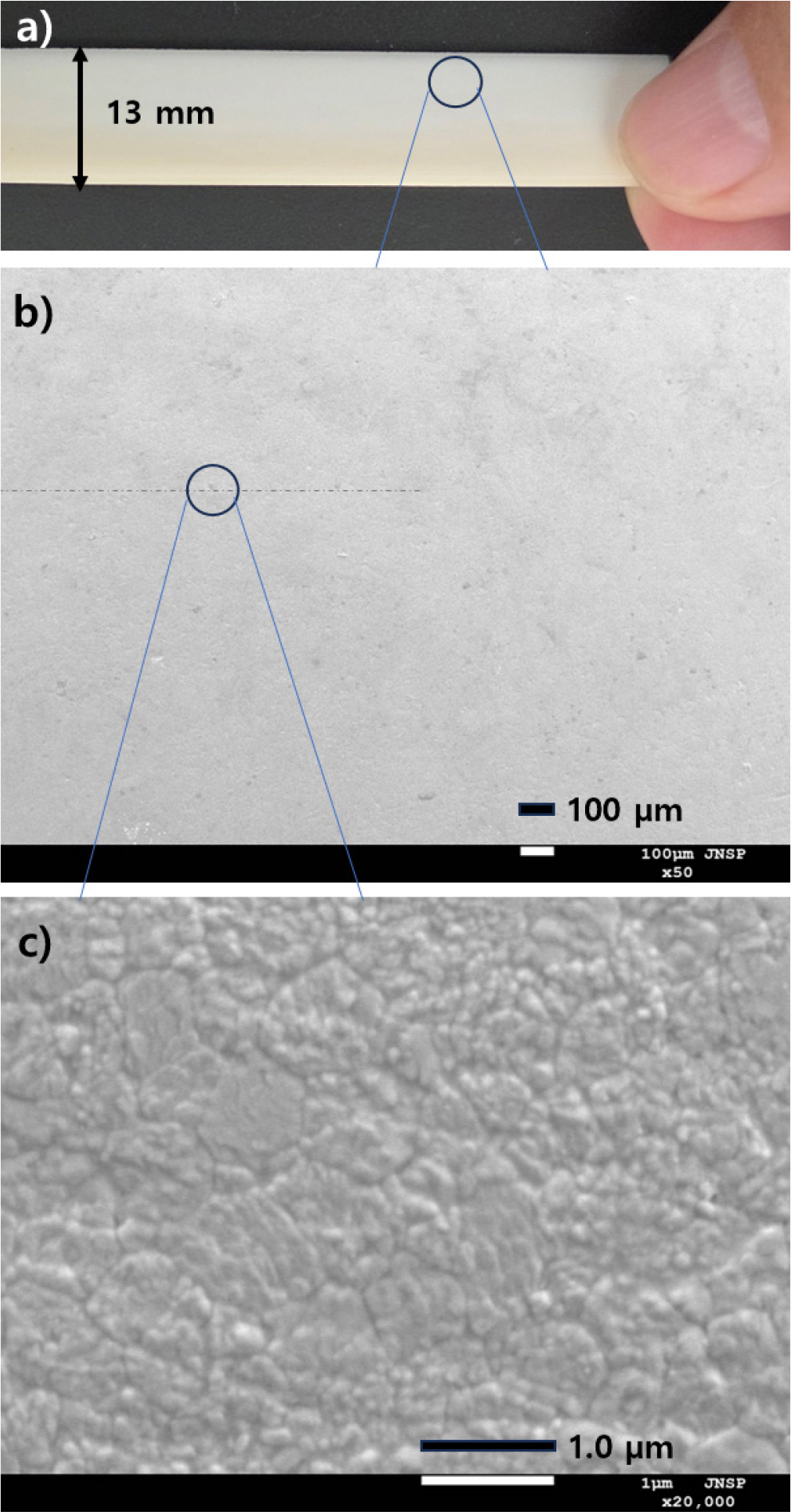
Fig. 9 illustrates the fractured surface of the sintered gradation block, which was cross-sectioned using a diamond saw, along with the microstructure of the layer interface within the fractured surface. Since the specimen consists of five layers in total, each layer was assumed to have a thickness of approximately 2.6 mm, and the interface between the 4th and 5th layers was examined. Overall, no distinct interfacial boundary could be observed. Assuming the dashed line in Fig. 9(b) corresponds to the interface, the magnified view is presented in Fig. 9(c). Even under higher magnification, no discernible differences in the microstructure were found. In the specimen prepared by CIP using granulated powders as the starting material, the granules break down during compression, which promotes intimate powder mixing. Furthermore, because each individual layer comprises a blend of the three starting powders, the compositional variance between consecutive layers is expected to be minimal. Consequently, no clear interfacial boundaries could be identified, and the residual stresses arising from mismatches in the CTE, sintering shrinkage rate, and grain growth kinetics across the interface are considered to be within a negligible range.
4. Conclusion
In this study, sintered dental blocks exhibiting natural, tooth-like aesthetics were fabricated using three types of yttria- stabilized zirconia with varying mole fractions. Each of the three zirconia variants displayed distinct color characteristics; by systematically combining them, novel color profiles were identified, and a gradient effect was successfully achieved using a shade-specific, five-layered functionally graded structure. To ensure the dense consolidation of the layered green bodies, all starting powders were granulated prior to processing. Utilizing the excellent translucency achieved via full densification, highly aesthetic dental blocks were manufactured. The fabricated dental blocks were sintered at 1,500 °C—a temperature higher than conventional zirconia sintering profiles—to promote grain growth and thereby minimize light scattering at the grain boundaries. Consequently, the topmost layer of the dental block exhibited a superior total transmittance of approximately 55 %, rendering an exceptional aesthetic effect that closely mimics natural teeth.