


1. Introduction
2. Experimental Procedure
2.1. Blend preparation
2.2. Test blends
3. Results and Discussion
3.1. Brake thermal efficiency (BTE)
3.2. Brake specific fuel consumption (BSFC)
3.3. Mechanical efficiency
3.4. Carbon monoxide (CO)
3.5. Carbon dioxide (CO2)
3.6. Hydrocarbon (HC)
3.7. Nitrogen oxides (NOx)
3.8. Smoke opacity
3.9. Vibration
4. Conclusion
1. Introduction
Xanthium strumarium, also known as cocklebur, is a plant species that has been studied for its potential use as a biodiesel feedstock. The plant produced a significant amount of oil, which can be converted into biodiesel. Titanium oxide (TiO) nanoparticles are used in this study. Nanoparticles are tiny particles with sizes ranging from 1 to 100 nanometers. They have distinct physical and chemical properties that make them appealing in a variety of applications, including as fuel additives. Enlargement of nanoparticles to biodiesel operated shown to better fuel stability ignition proficiency while also lowering emissions produced.1) The main objective of the study is to assess how well cocklebur biodiesel performs when combined with nanoparticles in a four-stroke compression ignition (CI) engine to look into the impacts of nanoparticle additions on engine efficiency, emissions, and combustion characteristics. The rising energy demand, combined with the negative environmental impact of traditional fossil fuels, has heightened interest in alternative energy sources such as biofuels. Biodiesel, a renewable and sustainable alternative to fossil fuels, has gained popularity due to its numerous environmental advantages.2) However, when compared to fossil fuels, biodiesel has some drawbacks, including lower combustion efficiency and higher emissions of certain impurities. Nanoparticle impact on the efficiency and emissions of cocklebur biodiesel in a four-stroke diesel engine.
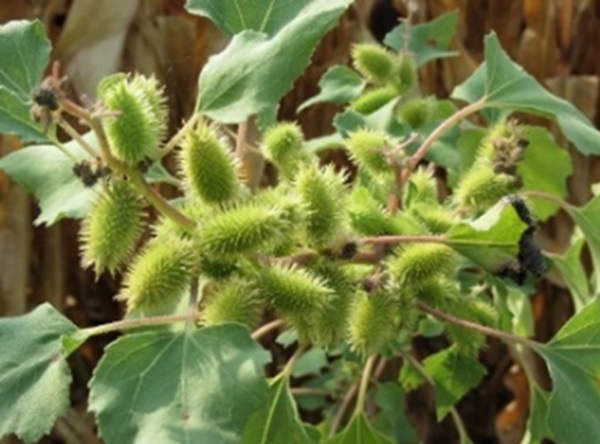
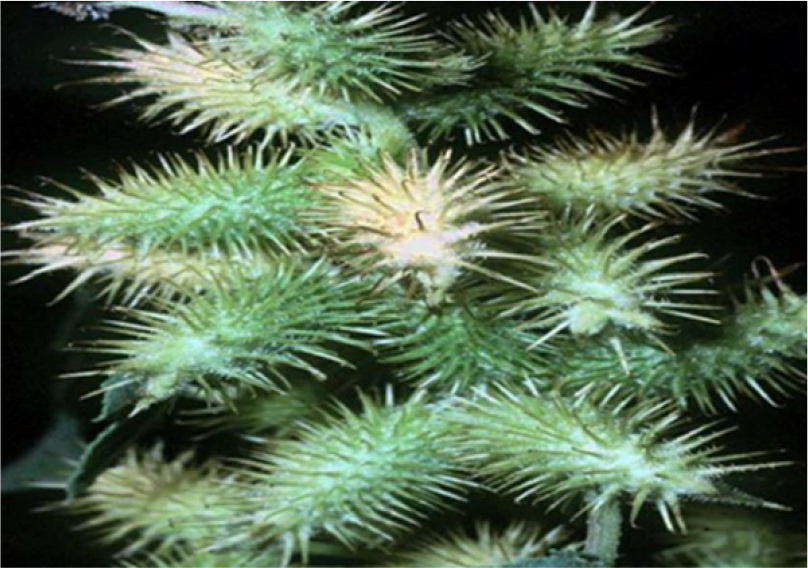
The addition of metallic nanoparticles to the fuel, such as silver, copper, and iron oxide impact positively on engine performance and emissions. To assess the engine’s performance and emissions characteristics, various engine parameters will be employed. The brake power, mechanical efficiency, brake specific fuel consumption, and exhaust pollutants like nitrogen oxides (NOx), carbon monoxide (CO), carbon dioxide (CO2) and particulate matter (PM) are the ones we want to pay particular attention to. Fig. 1, 2, 3, 4 indicated the stages of cocklebur conversion from raw seeds to final dry seed of cocklebur.
The impact of dual biodiesel mixes on a CI engine using a range of compression ratios is being studied by Dugala et al.1) The researchers combined neem oil methyl ester (NOME) and Pongamia in varying proportions (B20, B40, B60, B80, and B100). When related to CI fuel, the dual biodiesel blends improved engine performance and reduced emissions. The blend that produced the maximum braking thermal efficiency, the lowest specific fuel consumption, and the fewest CO, hydrocarbons (HC), and smoke emissions were found to be B60. The optimal blend ratio varies depending on the type of biodiesel used, but in general, a blend of 20~60 % is the most effective. These results indicate that the usage of dual biodiesel blends could be a promising substitute for diesel fuel in terms of both performance and environmental effects. Srinidhi et al.2) NiO nanoparticles’ impact on engine presentation and effluence characteristics at varied injection timings have recently been studied. This is owing to the large surface area to volume ratio of NiO nanoparticles, which increases oxygen availability for combustion and improves the fuel-air mixing process. In terms of emission characteristics, it has been discovered that using NiO nanoparticles in biodiesel-diesel blends significantly reduces levels of CO, HC, and smoke emissions. This is due to the nanoparticles’ improved combustion efficiency and the oxygen-rich environment they create.


To find out how biodiesel blends affect diesel engines’ ability to burn fuel efficiently, several research has been carried out. Mohite and Maji3) discovered that increasing the biodiesel blend percentage decreased the energy efficiency of a diesel engine due to the lower heating value of biodiesel. The study also found that engine performance metrics like thermal efficiency and brake power declined as the biodiesel blend percentage increased. To find energy-saving potential in the CI engine fueled by biodiesel blends, an energy audit is necessary. Because of the lower heating value of biodiesel, the engine’s energy efficiency fell above 30 %. To maximize energy efficiency and reduce energy costs, diesel engines powered by biodiesel blends should undergo an energy audit. Pawar et al.4) works as a researcher in Biodiesel fuel is a renewable and environmentally friendly alternative to conventional diesel fuel, with the potential to reduce greenhouse gas emissions and reliance on fossil fuels. However, when compared to conventional diesel fuel, biodiesel fuel has lower energy content, higher viscosity, and a lower cetane number. Various biodiesel fuel additives have been developed to improve the performance of CI engines in order to these challenges.
Mohite et al.5) looked into the combination of biodiesel and petroleum diesel can have a variety of effects on smoke emissions. The amount of visible smoke emitted from the vehicle’s exhaust is referred to as smoke opacity. Biodiesel blends emit less smoke than petroleum diesel, particularly at higher blend ratios. The blend ratio of biodiesel and petroleum blends can have an impact on fuel economy. The higher the biodiesel blend ratio, the lower the fuel economy. Biodiesel blends may have a minor effect on power output. It should be noted that the specific performance characteristics of biodiesel blends vary depending on the blend ratio to the engine and other factors, so it is always best to consult with a qualified mechanic or engineer before making any modifications to your vehicle.
Monyem et al.6) discovered that advancing the injection timing of a biodiesel-powered engine decreased PM emissions while increasing NOx emissions. The researchers also discovered that delaying the injection timing raised PM emissions while decreasing NOx emissions. Biodiesel is a sustainable, ecologically friendly substitute to fossil fuels that can be used in CI engines without demanding significant modifications. However, emissions from biodiesel-powered engines continue to be a source of concern because they can contribute to air pollution and climate change. They investigate the effects of timing and oxidation on biodiesel engine emissions.
The impact of several DPF additive types on the oxidation stability and low-temperature flow characteristics of soybean biodiesel was examined by Schober and Mittelbach.7) The results presented that the inclusion of DPF additives enhanced the erosion constancy and moderate-temperature flow characteristics of the biodiesel. The impact of DPF additives on the efficiency and emissions of a CI engine using a biodiesel/ diesel mixture. The outcome of DPF additives on biodiesel quality and the current state of research in this field are discussed. The outcome of DPF additives on the performance and effluents of a diesel engine powered by a biodiesel/diesel blend. According to the findings of the study, the use of DPF additives decrease engine performance and emissions.7) Thailand promotes biofuels the most in Southeast Asia. Thailand encourages biofuels but hasn’t met policy goals. This report investigates seven stakeholder groups’ opinions of first-generation biofuel production in Thailand to assist policy development. Feedstock producers, biofuel producers, government agencies, automakers, oil firms, nonprofits, and end consumers were involved. It combines SWOT, AHP, and TOWS to analyse stakeholder analyzed offer policy development goals. Biofuel development required five policies. advancing contract farming, improving farm management, expanding cultivation area and yield without compromising food production or environmental sustainability, balancing biofuel feedstocks, and modifying regulations to allow the sale of biofuel products to other native businesses while keeping blended biofuel prices below those of regular ethanol and biodiesel.
Chanthawong and Dhakal8) studied numerous investigations have been carried out to look into the production of biodiesel using non-catalytic supercritical fluid (SCF) methods. According to one study, Demirbas9) the non-catalytic SCF method using supercritical methanol produced biodiesel with a yield of up to 95.2 %, which was higher than the conventional catalytic transesterification method. The study also discovered that the properties of biodiesel produced using the non-catalytic SCF method were comparable to those of catalytic biodiesel. Biodiesel is a renewable and healthy substitute for fossil fuels that are made from used cooking oils, animal fats, and vegetable oils. Several methods exist for producing biodiesel, including the non-catalytic SCF method. According to Pawar et al.10) the Taguchi method is a statistical approach to quality control and optimization of engineering systems. It entails creating experiments that minimize the effect of noise factors while maximizing the effect of signal factors. The Taguchi method can be used to determine the best combination of engine parameters for optimal performance in the case of engine optimization. The plant Xanthium strumarium L. (commonly known as cocklebur) can be used to produce biodiesel. An environmentally acceptable and renewable substitute for fossil fuels is biodiesel. The use of biodiesel generated from Xanthium strumarium L. oil in engines has been the subject of numerous investigations. Some of these studies have concentrated on using the Taguchi method to optimize engine parameters.
Partzsch11) research on biofuel has been presented as a solution to many challenges such as climate change, energy security, and rural development. Over the years, there has been a significant amount of research into the potential of biofuel. Power is an important component in biofuel research because it influences how actors interact with one another and shapes the development of biofuel policies. Power can be defined as the ability to control resources, make decisions, and influence outcomes. Biofuel research power is distributed across various sectors such as governments, corporations, and civil society. Transition refers to the process of moving from one state to another. The use of biofuels has been promoted as a way to reduce greenhouse gas emissions and improve energy efficiency. security and promote rural development. Overall, the review of the literature emphasizes the need for more research on the power dynamics and social impacts of biofuel policies. According to Pullen and Saeed12) biodiesel can be created from a variety of sources, including Herbal oils, animal lipids, and used food oils, and is renewable, non- toxic, and biodegradable. However, using biodiesel has some drawbacks, including its low corrosion stability, which can lead to the creation of dangerous substances including peroxides, aldehydes, and acids. Numerous variables, such as the fuel’s composition, the availability of antioxidants, the storage environment, and exposure to light and heat, can affect how stable biodiesel is to oxidation. The oxidation stability of biodiesel can be improved. The oxidation stability of biodiesel is a critical factor influencing its performance and durability. Researchers and fuel manufacturers should continue to innovate. Strategies for improving biodiesel’s oxidation stability to increase its commercial viability and use as an substitute to SI-based diesel.
Biodiesel fuels have gained popularity as a renewable and environmentally friendly alternative to petroleum-based diesel fuel, according to Abed et al.13) Biodiesel fuels have been found to emit less CO than petroleum-based diesel fuels. The reduction is attributed to biodiesel’s higher oxygen content, which can result in more complete combustion of fuel in the engine. Some studies have also discovered that biodiesel fuels reduce HC emissions. Biodiesel fuels have been found to emit more NOx than petroleum-based diesel fuels. It also emits PM as well as carbon dioxide. The use of biodiesel in diesel engines has an unfavorable effect on engine emissions. According to Balkema and Pols14) biofuel literature review, whether they represent sustainable innovation or a gold rush is dependent on several factors, including the specific type of biofuel being produced, the production method used, and the broader social and economic context in which they are being developed. Finally, the literature suggests that biofuel has the potential to be both sustainable and innovative. However, by identifying and accepting responsibility for their actions, biofuel sector actors can work to ensure that biofuels contribute to long-term development rather than environmental degradation and social inequality.
Rodionova et al.15) discovered that biofuels are renewable fuels made from biomass such as crop waste and other organic matter. Feedstock availability and cost are critical factors in determining the economic viability of biofuel production. Biofuel production necessitates a significant amount of land, which has implications for food production, biodiversity, and ecosystem services. Biofuels can be used to replace fossil fuels, reducing reliance on foreign oil and increasing energy security. The development of new biofuel production technologies, such as cellulosic ethanol and algae-based biofuels, presents opportunities for improving biofuel efficiency and sustainability. McCormick et al.16) to the investigator of biodiesel stability is a critical property that determines the fuel’s shelf life and performance. Biodiesel’s fatty acid composition influences its stability. Antioxidants are also added to biodiesel to increase its stability. Catalyst residues used in the production of biodiesel can leave residues that affect the fuel’s stability. The presence of water in biodiesel can lead to hydrolysis, which can produce free fatty acids and other chemicals that lessen the stability of the fuel. Additionally, by increasing oxidation and encouraging polymerization, storage conditions including temperature and exposure to light and air can affect the stability of biodiesel. The storage conditions of biodiesel can also have an impact on its stability.
The experiment was carried out by the researcher Dunn.17) A renewable fuel called biodiesel is created from leftover cooking oils, animal fats, or vegetable oils. It is thought to be a cleaner alternative to traditional diesel fuel because it emits fewer harmful pollutants such as PM, CO, and sulfur dioxide. However, biodiesel has some storage stability issues that can lead to degradation and oxidation. Antioxidants are a type of compound that can help improve biodiesel storage stability. Antioxidants increase the stability of biodiesel during storage. However, it is crucial to remember that the type and degree of antioxidants utilized can change based on the type of biodiesel and storage circumstances. The oxidation stability of diesel/biodiesel blends, as investigated by Karavalakis et al.18) is an important factor to consider to ensure the power functioning and longevity of diesel engine. Several studies have been conducted to evaluate the oxidation stability of these blends, and the literature contains a wealth of information on the subject. The Rancimat test, which measures the blend’s induction period (IP), is a common method for evaluating the oxidation stability of diesel/biodiesel blends. This indicates that the oxidation stability is higher. The concentration of biodiesel, antioxidants, additives, storage conditions, and engine type all be a factor in determining the constancy of the blend, and the Rancimat test is a commonly used method for evaluating this stability.
Lau et al.19) looked into biodiesel, substitute fuel made from plant or animal fats that is sustainable and renewable. However, there are some disadvantages to biodiesel, such as its low oxidative stability, which can outcome in the formation of gums, residues, and acids. The addition of antioxidants and stabilizers can improve oxidation stability and spread the shelf life of biodiesel. This research if synthetic and natural additions can improve the stability of biodiesel against oxidation. These synthetic antioxidants effectively prevent biodiesel oxidation. By scavenging free radicals and putting an end to the lipid oxidation chain reaction Natural antioxidants and stabilizers such as tocopherols, ascorbic acid, and phenolic compounds have also been investigated for their ability to improve biodiesel oxidation stability. Mandal et al.20) investigated Xanthium strumarium L., a plant that has traditionally been used in folk medicine to treat a variety of ailments, including cough and respiratory disorders. Xanthium strumarium L. extract has antitussive activity. An ethanolic extract of Xanthium strumarium L. was found to have significant anti-tussive activity in rats. The number of coughs brought by iodic acid was measured in the study, and the extract significantly reduced the number of coughs in a dose-dependent manner. The researcher concluded that Xanthium strumarium L. extract could be used to treat coughs.
2. Experimental Procedure
2.1. Blend preparation
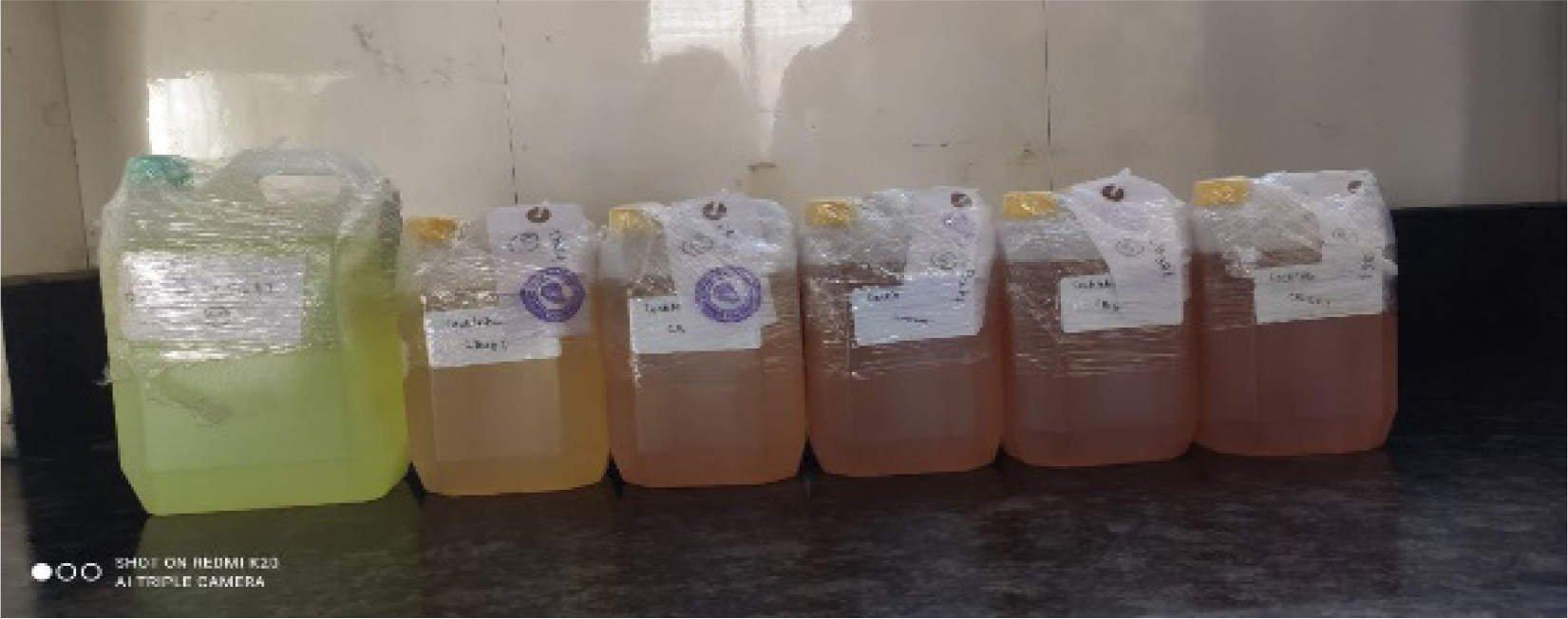
In preparation for blends for B08 + 4 % blend, the addition has been made of 08 % biodiesel and 4 ppm Additives and remaining 92 % diesel. Fig. 5 indicates the biodiesel production process and Table 1 indicates the details of percentage (%) biodiesel, additives and diesel added. Fig. 6 indicates the biodiesel blends prepared for the experimentation purpose.

Table 1.
Indicated biodiesel and its detail blends.
2.2. Test blends
The following mixtures were employed in the tests for experimentation are B00, B08 + 4 ppm, B16 + 4 ppm, B24 + 4 ppm, B30 + 4ppm and B36 + 4 ppm.
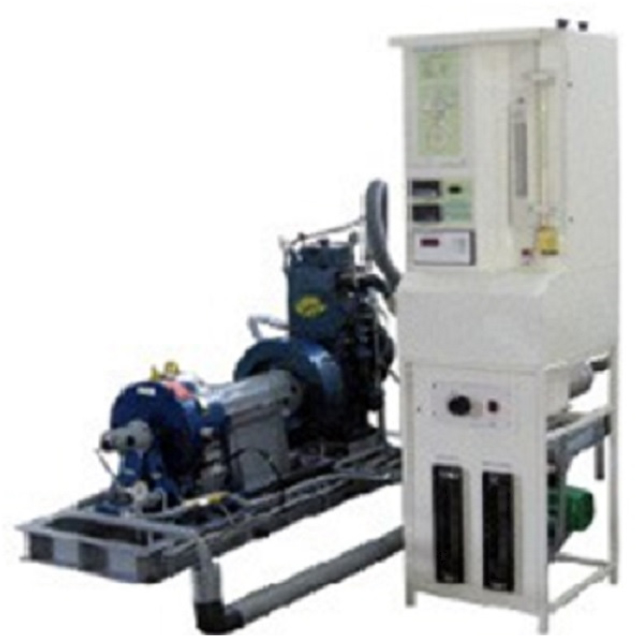
Table 2 indicates the details about the sections of engine in the form of manufacturer, engine power, injection variation and cylinder dimensions. Fig. 7 shows the setup digram indicating the experimental setup.
Table 2.
Engine Specification.
3. Results and Discussion
3.1. Brake thermal efficiency (BTE)
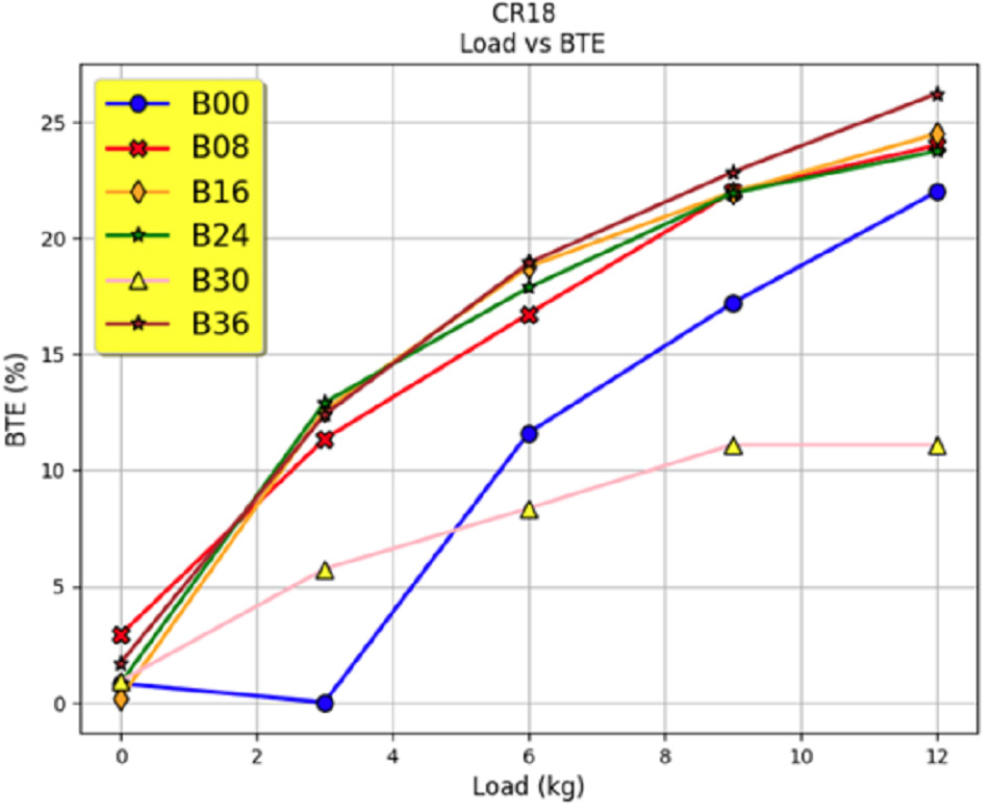
Fig. 8 shows the relationship between BTE and load at maximum loading conditions. Every biodiesel mix and diesel fuel was shown to be more efficient under heavier loads. All biodiesel blends except B00 perform worse under maximum loading condition (12 kg). The highest efficiency 26.19 % was achieved by the B36 blend at the maximum loading scenario.
3.2. Brake specific fuel consumption (BSFC)
The change in BSFC Vs. load at maximum loading is seen if Fig. 9 shows It demonstrates that the CR18 result of the BSFC was decreasing as the load increased. With the exception of end blends B00, B08, B16, B24, B30 and B36 diesel fuel had less BSFC. B00 has the lowest BSFC value of any blend, 0.39 kg/kW・h at full load. One of the primary causes of this is that biodiesel’s low heating value is offset by its increase in oxygen concentration resulting in less BSFC than diesel fuel.21)

3.3. Mechanical efficiency
Fig. 10 describes the mechanical efficiency variation for CR18 at maximum loading conditions. It has been discovered that mixes with a B00 content have a greater mechanical efficiency of 61.00 %. At lower efficiency, when the efficiency is B16, the highest variance in volumetric efficiency is seen. It has been shown that when load and mix ratio increase, mechanical efficiency at CR18 either rises or falls.

3.4. Carbon monoxide (CO)
Fig. 11 shows how compression ratio affects CO emissions for all engine load states. With lower compression ratios, CO emissions are greater and at higher compression ratios, they are lower. This is because combustion occurs completely when the compression ratio is larger.
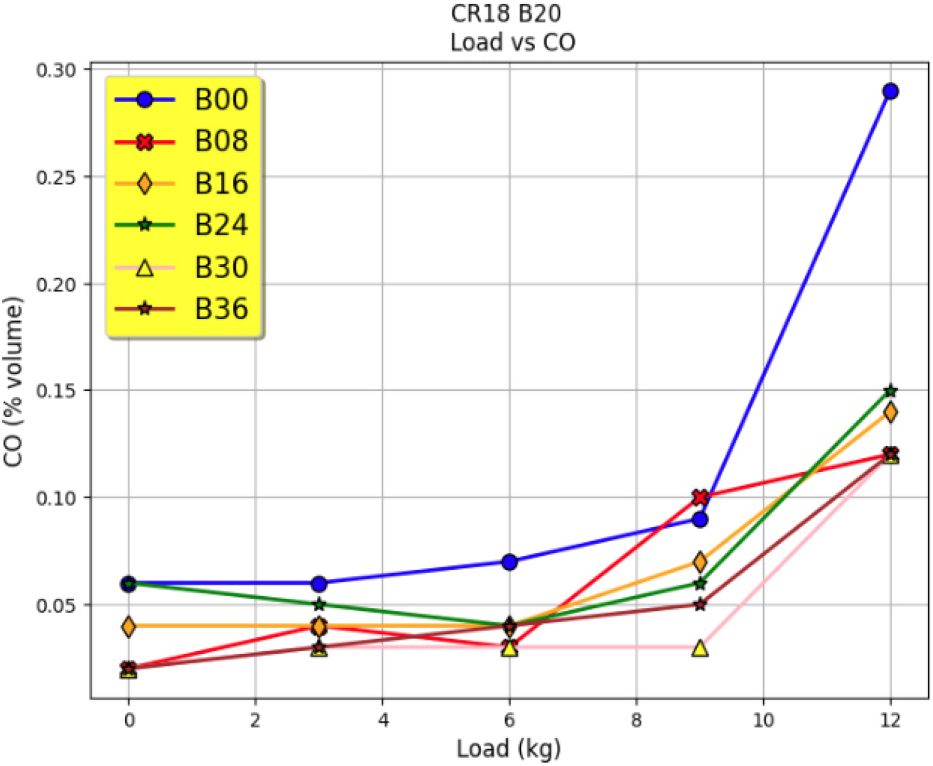
The greatest CO emission measured for Fig. 11. full load situation is 0.104 % for diesel. B00 had the highest CO emission in the result, while B08 had the lowest CO emission.
3.5. Carbon dioxide (CO2)
Since cocklebur oil includes oxygen, biodiesel and its blends release less CO2 than diesel at higher compression ratios. This is because the carbon content of the same volume of fuel used with the same compression ratio is comparatively lower with biodiesel and its blends than with diesel.
The greatest CO2 emission measured in Fig. 12 at full load is 7.6 % for the blend of B00 diesel, while the lowest emission measured is 1.2 % for the blend B36 at CR18.

3.6. Hydrocarbon (HC)
The HC emission decreases with increasing compression ratio for all fuel types. This is because with greater compression ratios, the fuel burns completely releasing less HC emissions.
The lowest HC emission measured for Fig. 13 is 2 ppm for B08 and the diesel HC emission measured for Fig. 13 is 46 ppm for B16 at CR18.

3.7. Nitrogen oxides (NOx)
According to the statistics, the maximum temperature is seen at compression ratio 16, which causes NOx emissions to be greater across the board for all fuel types. Nevertheless, given a greater peak temperature was seen with a larger compression ratio, it was projected that the greatest NOx emission would be attained at 18.
The highest NOx emission measured for Fig. 14 is 514 ppm for B24 and the lowest diesel NOx emission measured for Fig. 14 is 48 ppm for B16 at CR18.

3.8. Smoke opacity
The result shows that there is very little fluctuation in the exhaust gas smoke and that it is trending in the same direction at full load. The greatest smoke measured for Fig. 15 at full load when the compression ratio is 18 is 4.6 % for diesel and B30 had the lowest smoke in this finding is 0.2 %.

3.9. Vibration
Fig. 16 shows the biodiesel has slightly different combustion characteristics compared to traditional diesel fuel, which can influence vibration levels in engines. The diesel fuel have higher vibrations to 2,800 Hz with maximum loading conditions. The blend B08 has the lowest vibration rate as compared to the other biodiesel blends is 2,250 Hz at 12 kg load.

4. Conclusion
The experiment used cocklebur and additive biodiesel blends in a single-cylinder, four-stroke diesel engine, and the outcome was compared to diesel fuel. The performance of diesel engine is measured with the help of parameter like BTE, mechanical efficiency, BSFC, IP, BP etc. and then the graphs are plotted against the load variation with the help of eddy current dynamometer.22,23)
The engine started without any difficulty. The cocklebur and additive oil biodiesel mix well with the diesel engine without requiring any configuration changes.
When the load rises, engine brake power increases. The amount of heat provided by diesel fuel is greater than that of all blends, with the exception of B08. But since biodiesel blends have an earlier combustion owing to the presence of oxygen, their efficiency exceeds that of diesel fuel. It is promising that B08 with B18 has a 23.97 % higher BTE than regular CI fuel.
The BSFC value achieved from biodiesel blends is less than that of diesel since biodiesel contains more oxygen than diesel. B08 has higher efficiency of 2.95 %.
In terms of volumetric efficiency, it has been shown that the efficiency at CR18 either rises or falls with a rise in load and blend ratio and that the efficiency at CR18 at blends B08 rises with an increase in load. The volumetric efficiency for the B08 is 53.45 %.
Throughout the analysis, the HC emissions from biodiesel and its mixes are less than those from diesel. But in case of remaining emissions like CO, CO2, smoke opacity cocklebur and its blends are showing less values of emission content than the pure diesel.21,22)